

Understanding SX/SP
The first instinct in SX/SP is sexual; the second is self-preservation. Social comes last in the full order: SX / SP / SO.
Sexual leads
Your attention goes first to strong connection and aliveness: the people, interests and experiences that fully absorb you.
Self-Preservation supports
The secondary area of attention is security, comfort and resources. Compare how readily you attend to this area with the instinct that comes first.
These guides offer possible patterns and reflection prompts. Your Enneagram type, circumstances, and choices also shape how you relate to each instinct.
In daily life
You might organize practical life around an interest or connection that has captured your attention. Notice whether your routines support that engagement without letting it consume everything else.

Relationships & connection
Focused attention can make an interaction feel vivid. Check that both people have room for boundaries, a different pace, and relationships beyond the bond you share.

Work & collaboration
A compelling problem may draw sustained effort. Support it with realistic hours and resources, and share progress with people who need context even when they are not directly involved.
Social: the least-attended instinct
When social is last, group dynamics, unspoken norms and your standing with others can surprise you.
Coming last describes relative attention. It does not mean this instinct is absent or that you cannot develop it.
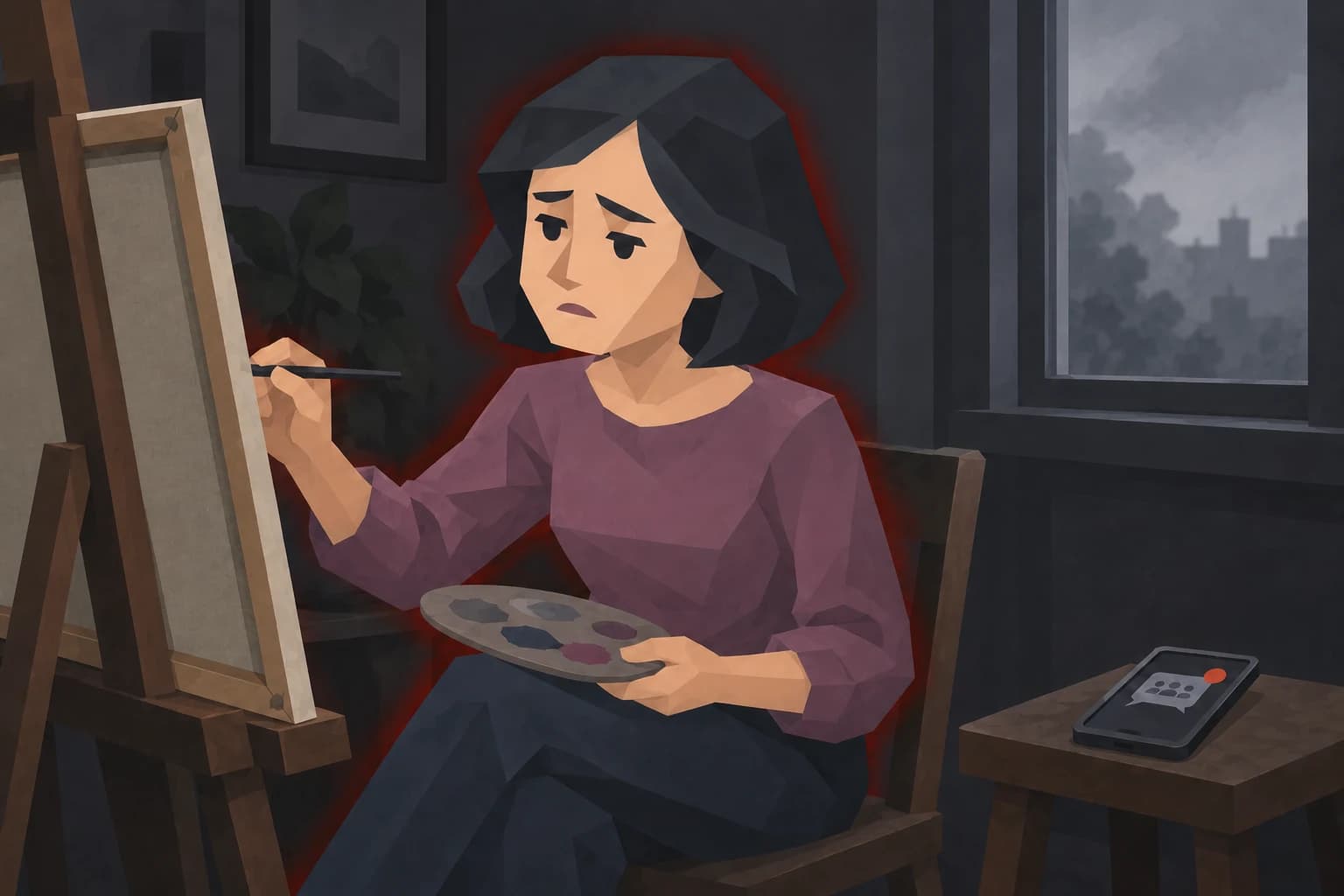
When pressure builds
If a connection loses intensity, it may become difficult to notice the quieter forms of care already present. Pause before treating a change in energy as a loss of meaning.
A small practice to try
Give your wider network a place in your week. Send an update, attend a shared activity, or ask how your work affects someone outside your immediate focus.
A question for reflection
What am I missing around the edges of the thing that absorbs me?
Explore your instinctual stackingCompare the six stackings
Framework reference: The Enneagram Institute — instincts and stacking. Daily-life examples and practices are editorial reflection prompts.