

Understanding SX/SP
The first instinct in SX/SP is sexual; the second is self-preservation. Social comes last in the full order: SX / SP / SO.
Sexual dominant: attraction gets your attention
SX dominance describes a recurring concern with attraction and chemistry: who draws you in, whether the attraction is mutual, and what makes an encounter feel charged. Dominant does not mean you handle this area effortlessly. It can be where you feel most alive and where uncertainty takes up the most space. [1, 2]
Self-Preservation auxiliary: making room for desire
Auxiliary is another name for the secondary instinct. With SP second, bodily needs and practical resources remain part of the picture. You may protect your privacy, energy, or independence while pursuing attraction. The middle position can feel easier to manage than the dominant one, but it does not guarantee good routines or financial security. [2, 4]
Why intensity alone is not enough to identify SX
The Enneagram Institute describes SX through chemistry and a drive for stimulation. John Luckovich puts more emphasis on sexual attraction and cautions that all three instincts can involve passion and intense focus. We use attraction and chemistry as the central clues here. Being absorbed in music, work, or art is worth exploring, but it cannot establish a stacking by itself. [1, 3]
These guides offer possible patterns and reflection prompts. Your Enneagram type, circumstances, and choices also shape how you relate to each instinct.
In daily life
You might organize practical life around an interest or connection that has captured your attention. Notice whether your routines support that engagement without letting it consume everything else.
When attraction and self-protection pull in different directions
As an everyday illustration, you might rearrange a weekend to see someone you feel drawn to, then want a quiet evening alone to recover. Or you might want to take a romantic risk while also worrying about losing the privacy and routine that help you feel settled. These are possible tensions to notice, rather than a checklist for identifying yourself.
Ask what the practical arrangements are protecting. Are you keeping life sustainable so you can engage, or using comfort to avoid a conversation about what you want?

Relationships & connection
Focused attention can make an interaction feel vivid. Check that both people have room for boundaries, a different pace, and relationships beyond the bond you share.
Chemistry and staying connected are different needs
Attraction can bring two people together. Continuing the relationship also involves the Social instinct: taking an interest, staying in contact, and responding to each other over time. SO includes intimate relationships as well as groups. Having it last does not mean you cannot love, care, or commit. [2, 5]
For example, you may give a partner your full attention on a date but leave an ordinary question about next week unanswered. A useful check is whether your care is reaching them in a form they recognize. Ask about their preferred pace and contact, rather than assuming that strong chemistry means you both want the same thing.

Work & collaboration
A compelling problem may draw sustained effort. Support it with realistic hours and resources, and share progress with people who need context even when they are not directly involved.
Let other people follow your thinking
Imagine becoming absorbed in a promising idea and setting up your time and workspace to pursue it. The project still needs updates, handovers, and agreement about who is doing what. A short progress note can help colleagues work with you without requiring them to share your level of excitement. This is a practical example, not a claim that SX/SP predicts a particular career or working style.
Social: the least-attended instinct
When social is last, group dynamics, unspoken norms and your standing with others can surprise you.
Coming last describes relative attention. It does not mean this instinct is absent or that you cannot develop it.
When pressure builds
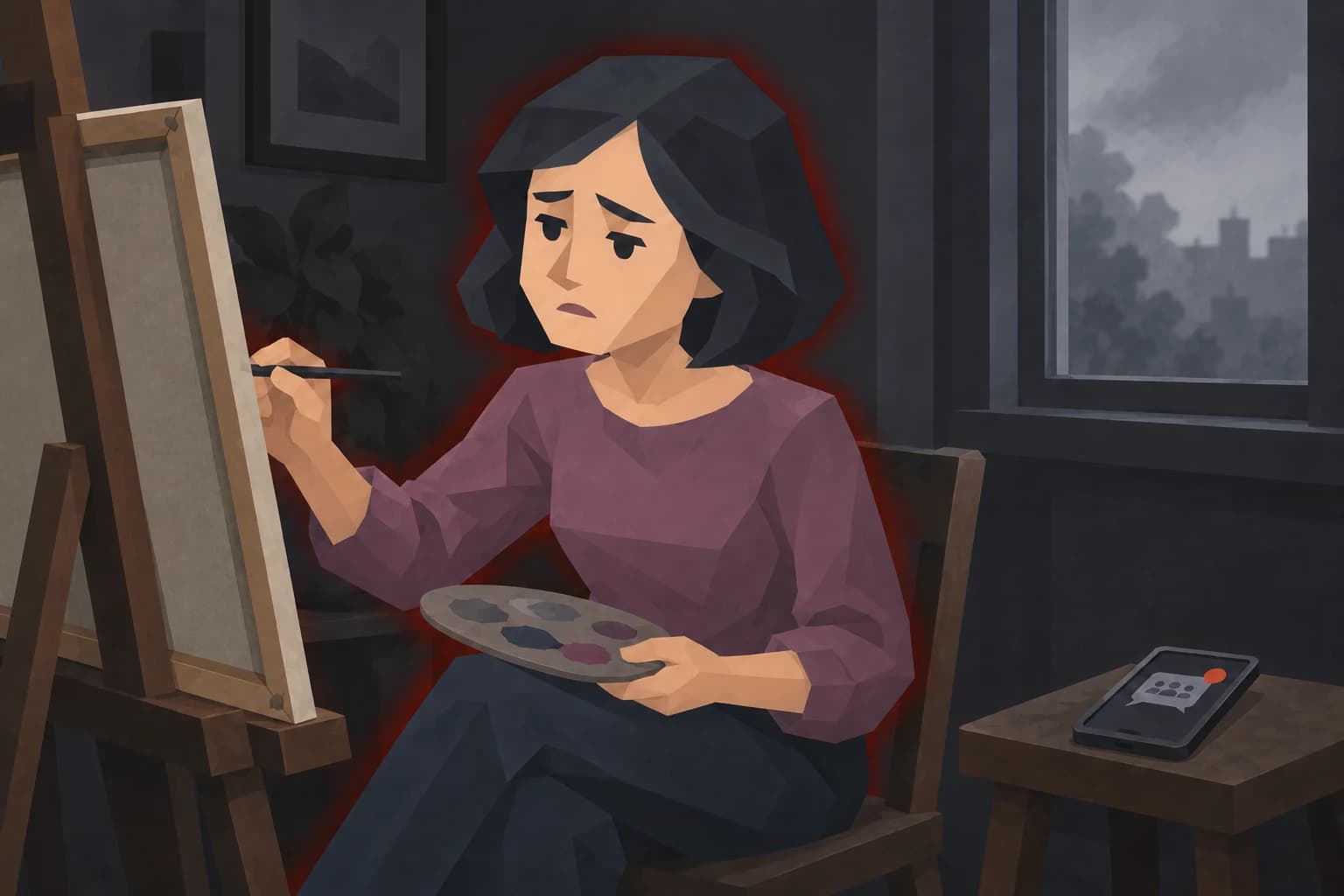
If a connection loses intensity, it may become difficult to notice the quieter forms of care already present. Pause before treating a change in energy as a loss of meaning.
SO blind: the contact that slips out of view
A blind spot is an area you give less consistent attention. It can show up as letting connections fade or underestimating how much ordinary participation matters to a relationship. You might understand what people expect and still keep putting it off. Social skill, sociability, and the priority you give relationships are different things. [4, 5]
Under pressure, try separating three questions: Has the attraction changed? Do I need rest or space? Have we stopped making time to talk? This is a reflection exercise for telling apart needs that can otherwise feel like one problem.
A small practice to try
Give your wider network a place in your week. Send an update, attend a shared activity, or ask how your work affects someone outside your immediate focus.
Build contact you can keep up
Choose one person you want to stay close to and make a specific plan to see or call them. Start with a relationship you already value. Developing SO does not require becoming an extrovert or joining every group. [2]
For a week, note one moment when chemistry took priority, one when practical needs mattered, and one when you followed through for someone. Use those observations to check the description against your actual life. A quiet week, a missed message, or one intense relationship is not enough to settle your stacking.
A question for reflection
What am I missing around the edges of the thing that absorbs me?
Explore your instinctual stackingCompare the six stackings
SX/SP, SP/SX, or SX/SO?
SX/SP and SP/SX share a Social blind spot, but the priority changes. In SX/SP, attraction leads and practical needs support it. In SP/SX, protecting a sustainable life comes first. SX/SO also leads with SX, but Social is second and Self-Preservation is last. Compare repeated trade-offs, rather than which description sounds most appealing. [4]
Sources & further reading
These authors teach different interpretations of the Enneagram. This guide summarizes their ideas for self-reflection. The everyday scenarios and exercises are our illustrations, not research findings or diagnostic criteria.
- The Enneagram Institute: How the Enneagram System Works. The three instincts, chemistry, and stacking.
- John Luckovich: The Instinctual Drives. Dominant, secondary, and blind-spot priorities, with practical approaches to growth.
- John Luckovich: Instinctual Excitement, Passion, and Intensity. Why passion alone does not distinguish SX.
- Enneagrammer: Instinct Stacking. The six orders and their blind spots.
- Enneagrammer: The Three Instincts. Distinctions between attraction, bonding, and self-preservation.
Framework reference: The Enneagram Institute — instincts and stacking. Daily-life examples and practices are editorial reflection prompts.