

Understanding Type 2
The person behind the pattern
Type 2 describes a pattern of seeking connection through care and involvement. In this framework, attention often moves toward other people’s feelings and needs. Generosity becomes strained when being needed seems like the only reliable way to belong. Someone can be reserved and still recognize this pattern; sociability alone does not identify a type.
We call this character the Aide. In other Enneagram writing, Type 2 is often called the Helper. The number refers to the same pattern; names vary between authors. See the conventional names.
Use this guide for reflection, not diagnosis. People of the same type differ in culture, history, circumstances, and choices.
Warmth
Makes a welcome feel personal.
Attunement
Notices when someone may need encouragement.
Generosity
Offers time and practical help that make daily life easier.
When pressure builds
An unspoken hope for appreciation can turn into disappointment. Saying yes while exhausted, offering unwanted help, or keeping track of who reciprocates may signal a need that has not been named.
Two ways the pattern can take shape
Explore the neighboring influences through character stories, relationships, interests, and small practices for growth.
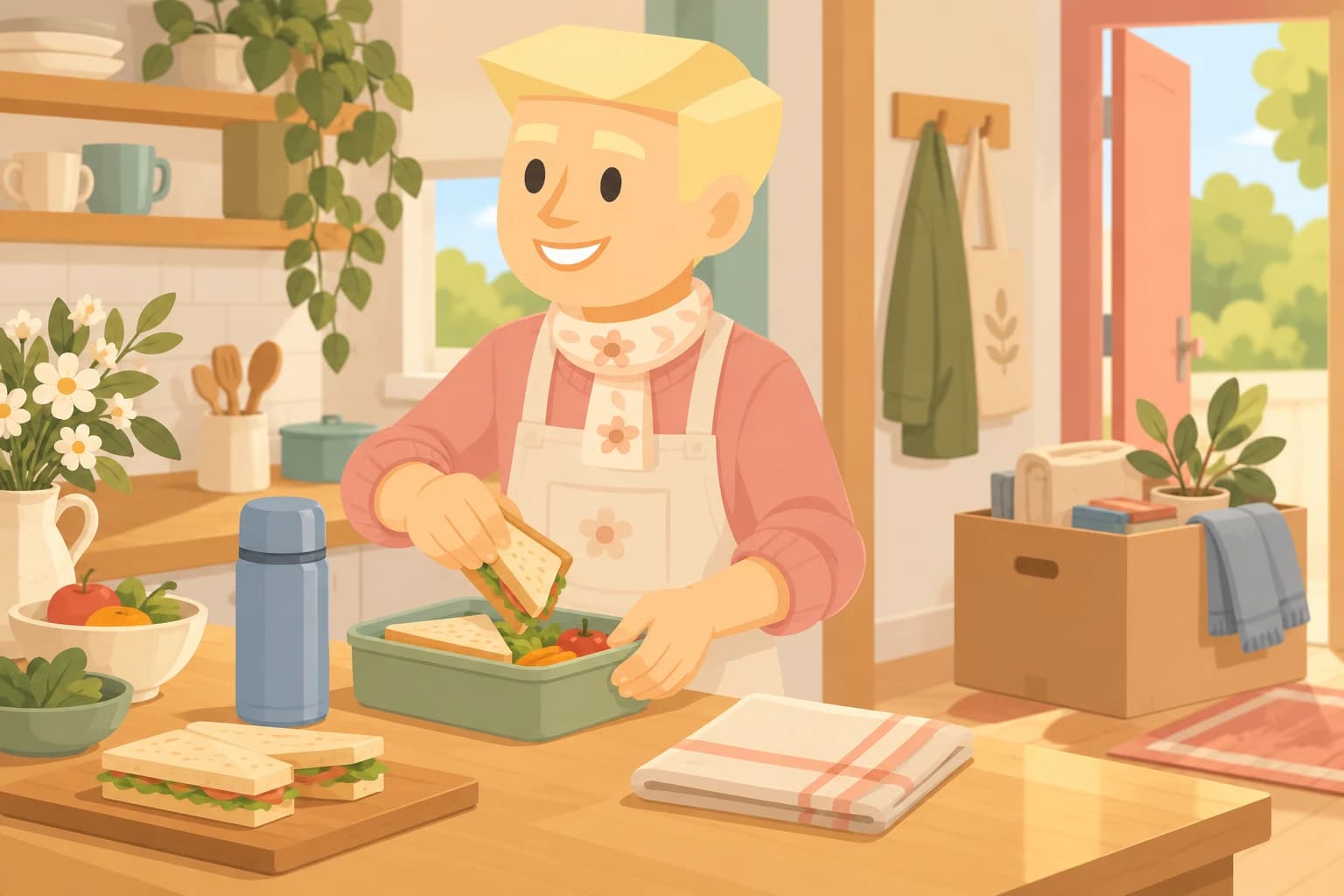
Care guided by duty
May bring more restraint and a strong sense of responsibility toward others.
Explore 2w1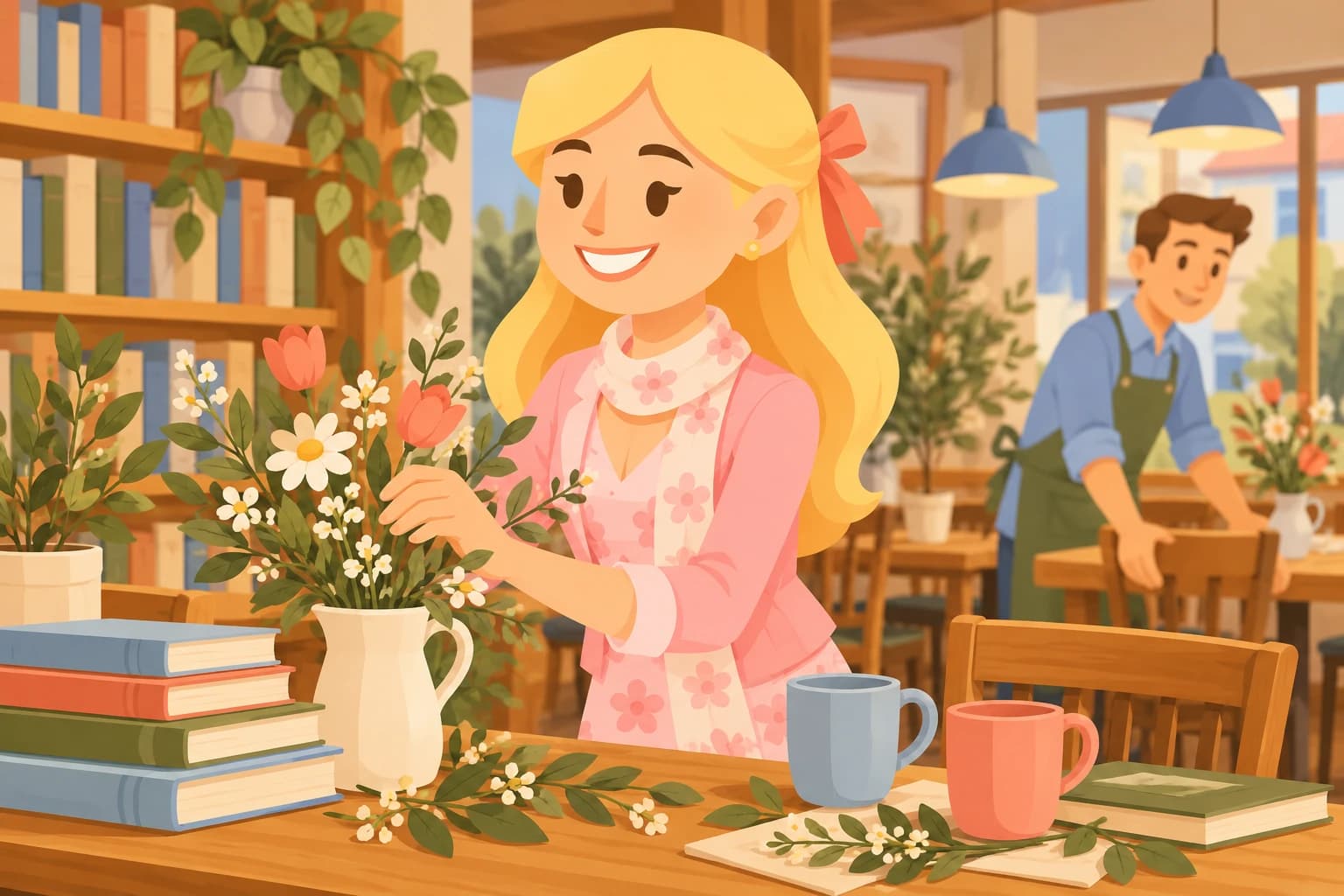
Care with social energy
May bring more expressiveness and attention to making a positive impression.
Explore 2w3Wings describe possible influences from neighboring types. You do not need to identify with one to explore the core pattern.
Thinking & behavior
Notice what happens between a feeling and a response
A possible everyday sequence. Compare it with your experience rather than assuming it fits.
- The situation
Someone close seems distracted.
- The inner story
Perhaps I need to do more to keep us close.
- The response
Offer help without checking whether it is wanted.
- The cost
Feel hurt when the effort does not bring the hoped-for response.

A moment to reconsider
What am I hoping this gesture will communicate, and could I say that directly?
Relationships & communication
Being close, being yourself
No type pairing guarantees a relationship will work. Attention, boundaries, and how you repair a disagreement matter more than matching labels.
In romance
Remembering small details can make a partner feel cherished. Closeness also needs room for separate preferences and a freely given no. Try asking for affection or company plainly, without first earning it through a favor.
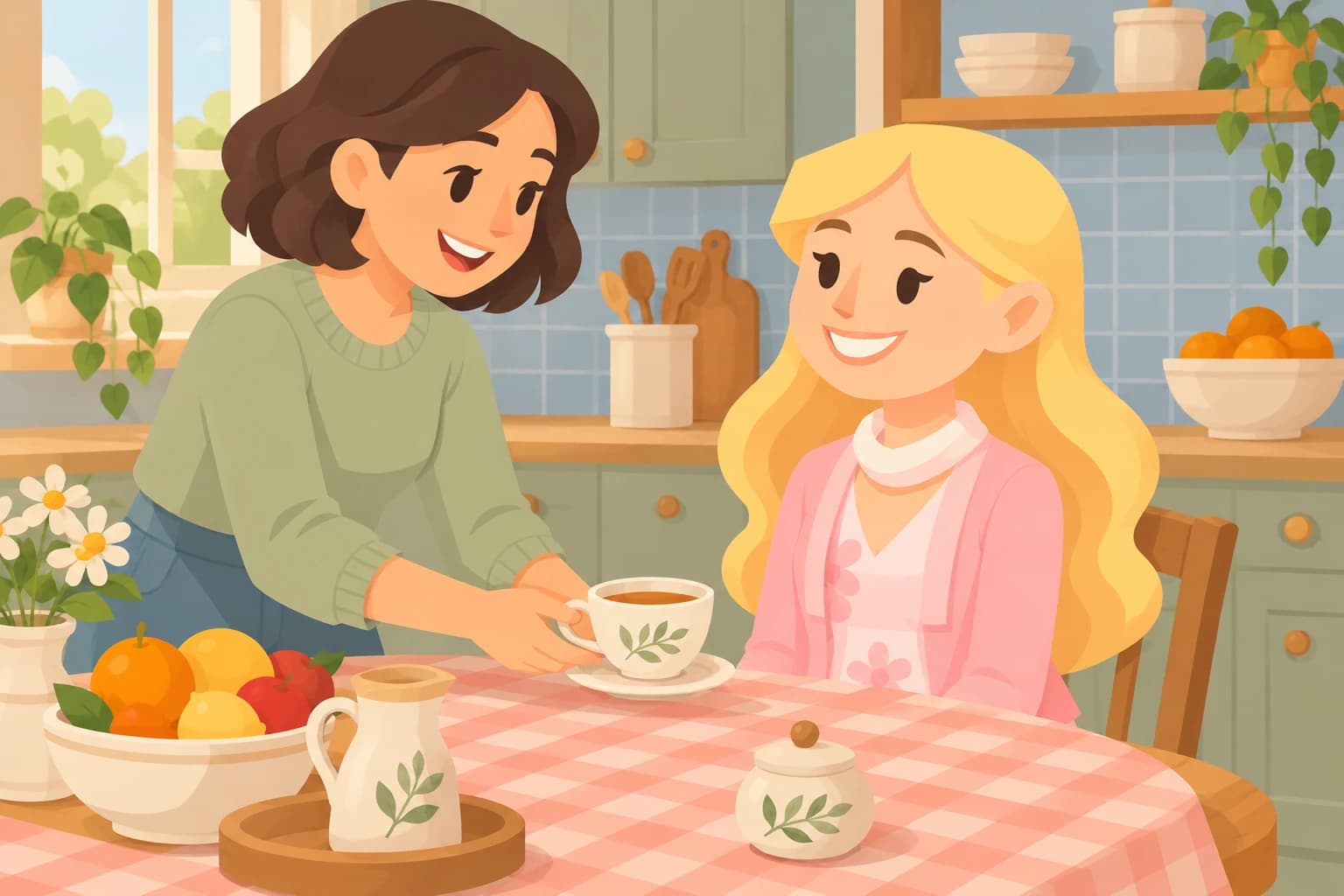
In family life
Support can be most useful when it leaves the other person capable. Ask a child or relative which part they want help with. Let a family member make you a meal or take over an errand without correcting their way of caring.
With friends
Invite a friend to spend time together when neither of you needs rescuing. If a friendship feels one-sided, describe a specific wish rather than waiting for the other person to notice the imbalance.
Words to try
Would help be useful, or would you prefer to handle this yourself?
I have had a difficult day. Could you keep me company for a while?
Work & careers
Find work that fits the life you want
If supporting people gives you energy, explore roles that combine human contact with clear boundaries. Interest, training, pay, and workload still matter more than a type description.
Community or volunteer coordination
Try organizing a small event with a defined role and an agreed finish time.
Customer support or client services
Explore whether you enjoy solving needs within limits, including saying no respectfully.
Education or student support
Observe the difference between encouraging someone and doing the work for them.
People operations or hospitality
Look for settings where care is shared by a team rather than dependent on one endlessly available person.
Conditions to look for
Look for manageable caseloads, explicit responsibilities, and appreciation that is supported by fair conditions.
Questions for an employer
Ask how emotional demands are handled and who covers absences. A friendly workplace still needs boundaries and adequate staffing.
Life stages
An Aide’s life: learning to receive, too
Being needed can feel close to being loved. This story follows an Aide whose warmth draws people toward her, and whose growing honesty makes room for her own needs within those relationships. These imagined memories bring the pattern to life; individual lives unfold differently.
Childhood · finding a place through care
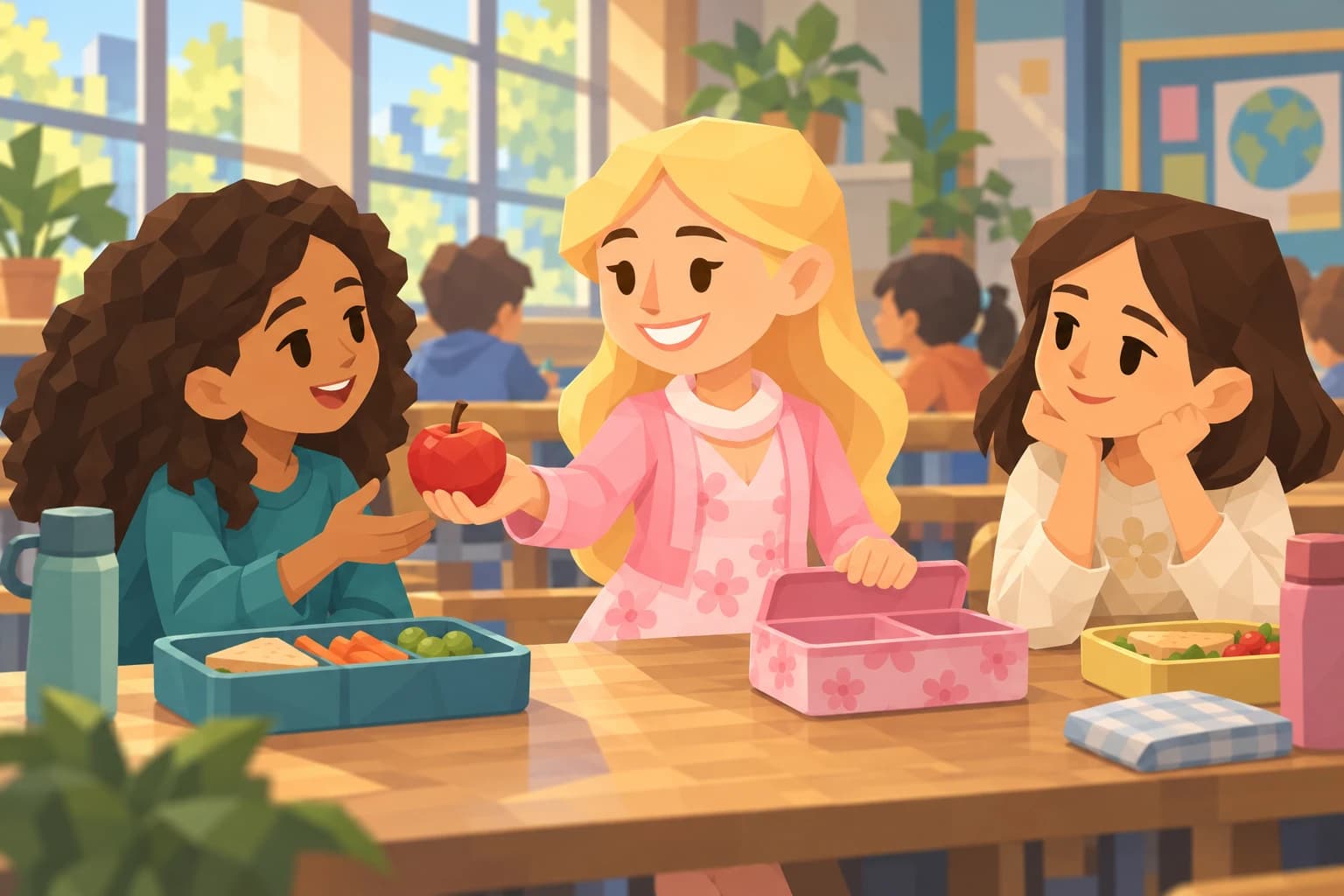
In this imagined childhood, the Aide notices small things about the people around her: a classmate sitting quietly, a forgotten snack, someone unsure where to sit. At lunch, she offers an apple and makes room beside her. Helping someone feel included gives her real pleasure. Sometimes she becomes so busy looking after others that she leaves her own needs unspoken. When a friend asks what she would like to share, she discovers that care can travel both ways.
She can be loved for her company, as well as for the kindness she offers.
Adolescence · a preference of her own

As friendships grow more important, she becomes a trusted listener. She knows who has argued, who feels left out, and which invitation might bring everyone together. Yet her own sketchbook often stays closed while she follows the group's plans. One afternoon she shows two friends the flowers she has been drawing and admits she would rather visit an art room than organize another outing. They listen with interest. Their response does not erase every fear of disappointing people, but it gives her something different to remember.
Closeness can include a wish that starts with her.
Early adulthood · sharing the responsibility

At a community center, she makes newcomers feel personally welcome. She remembers faces and notices when a gathering needs a quieter corner or a fresh cup of tea. Her generosity becomes harder to sustain when she accepts every extra shift and hopes someone will recognize the strain. Instead of waiting until resentment spills out, she begins naming her limits. Handing a tray to a coworker is an ordinary action with a new meaning: the event can be cared for by a team.
Being helpful does not require being endlessly available.
Midlife · accepting a place at the table
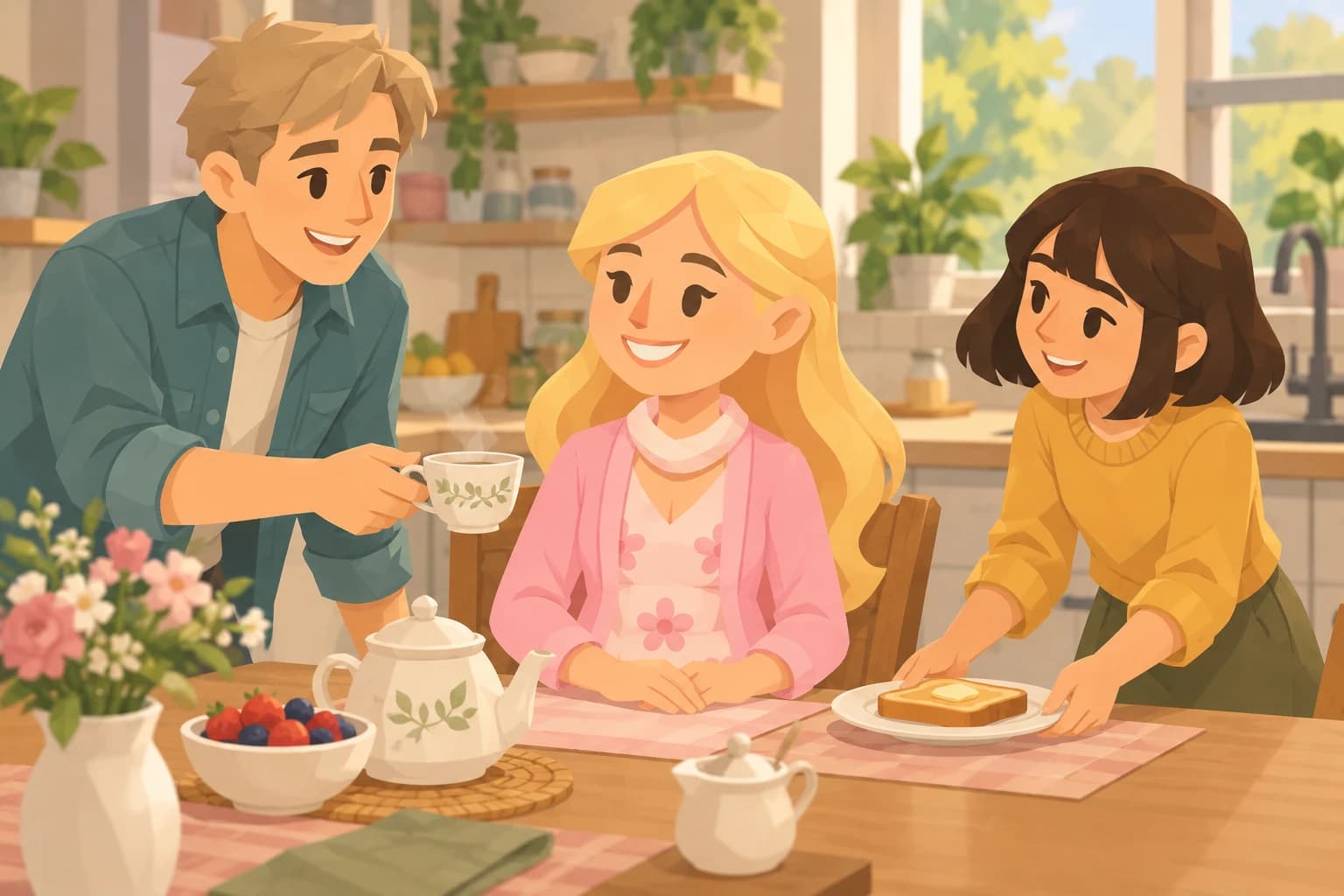
Family members have grown used to her noticing what needs doing. She enjoys that closeness, but sometimes feels invisible inside the role of the person who provides it. After a demanding week, she tells her brother she would like company and a meal she does not have to prepare. He brings tea; her niece makes toast. She almost gets up to arrange the plates, then stays seated. Receiving their imperfect, freely offered care lets her feel the affection that was already there.
A direct request gives other people a chance to know her.
Later life · time she can choose

Later, she begins taking a coastal walk on mornings she once kept available for everyone else's requests. Her sketchbook comes with her, though she does not have to fill a page. At first she feels an urge to check whether somebody needs her. With practice, the wind and the sound of the sea hold her attention instead. She still enjoys caring for people, and welcomes company when she wants it. But a quiet hour alone is no longer evidence that she has let someone down.
She can choose her own company without withdrawing her love.
Growth & development
Care can include you, too.
Choose one small practice that feels useful. You can adapt it, leave it, or return to it later.
Ask before helping
Make one offer with a genuine option to decline. Notice any urge to persuade the person to accept.
Make a direct request
Name a small need to someone trustworthy without apologizing or listing what you have done for them.
Keep one promise to yourself
Reserve time for something you want. Treat that commitment as real when another request arrives.
Changes you might notice
- You can hear no without assuming it means rejection.
- You know what you want before checking everyone else’s preference.
- You can receive kindness without immediately paying it back.
How the connecting lines fit in
Traditional teaching connects Two with Four and Eight. Use these links to consider personal feelings, direct requests, and boundaries, rather than treating them as automatic changes of personality.
Familiar examples
People associated with Type 2
The Enneagram Institute lists the following figures as examples. These are its interpretations, not verified self-identifications or conclusions about anyone’s private motivations.
- Dolly Parton
- Desmond Tutu
- Eleanor Roosevelt
Still comparing?
Look at the concern underneath the behavior. These questions can help you compare nearby patterns.
Do I want to be valued for what I accomplish, or loved through what I give?
Type 6 · PragmatistsAm I staying close to feel loved, or to feel supported and secure?
Type 9 · ConsulsAm I actively becoming needed, or setting aside my wishes to preserve harmony?