
Same core, a different emphasis
Two’s wish for connection meets One’s sense of duty. A 2w1 interpretation may describe a reserved, conscientious helper who expresses affection through dependable acts. The deeper concern remains being loved and wanted, rather than simply meeting an impersonal standard.
The Type 2 motivation
To feel loved, wanted, and connected.
What can feel at stake
Being unwanted or unworthy of love.
A wing describes a possible influence from a neighboring type. You can relate to both, one, or neither. These portraits offer possibilities to reflect on, not a test of who you are.
A small moment can reveal a lot
A friend is moving house. Someone arrives with labeled boxes, a thermos, and a realistic plan. They notice what needs doing and quietly get on with it. Later, tiredness turns into irritation because nobody has suggested a break. Asking for a pause would be more useful than hoping devotion will make the need obvious.
Would I still offer this if I knew it would not earn gratitude?
More than one way to look the part
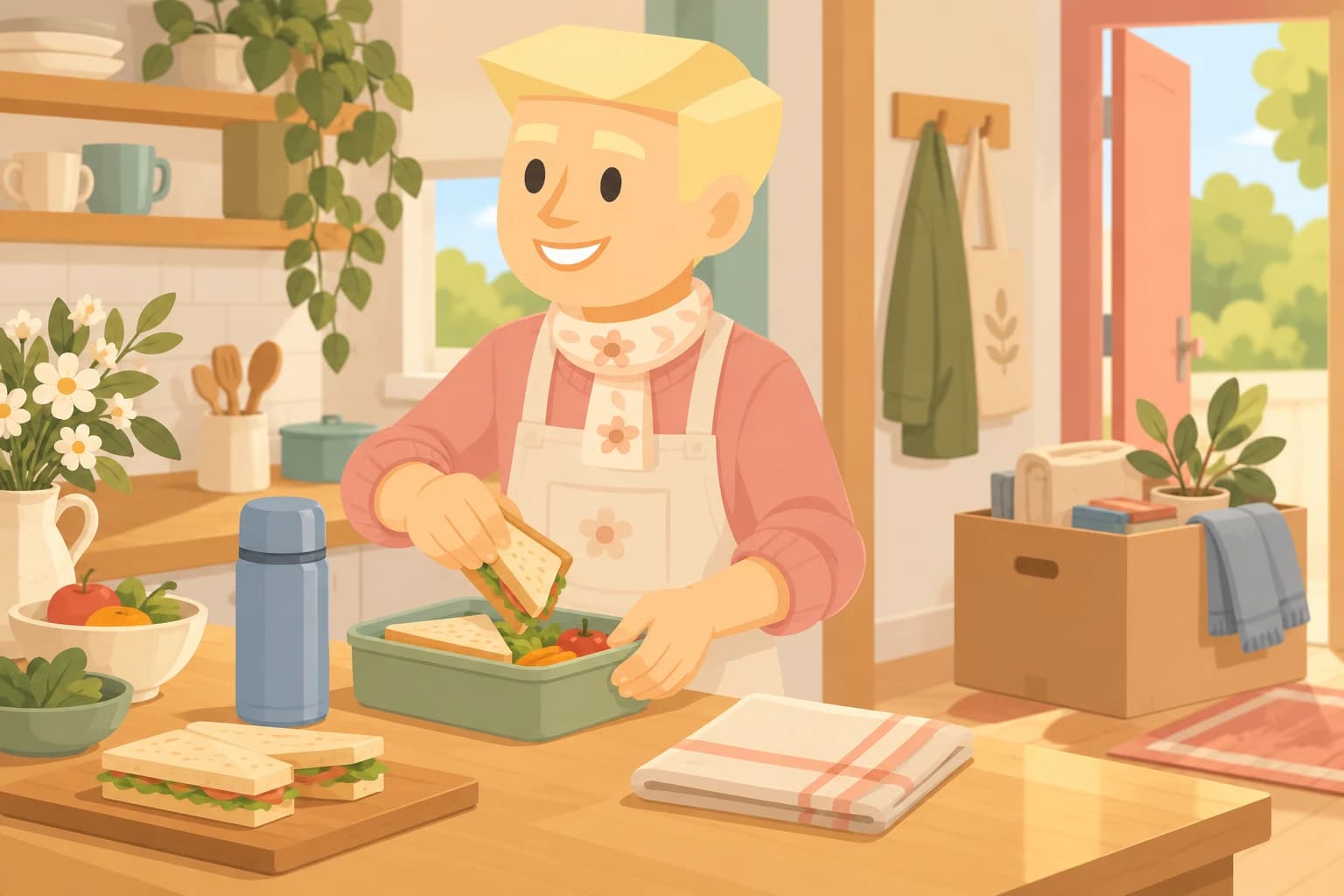
The illustration gives this idea a setting, a wardrobe, and a life beyond a label. Here are the details behind this character study.
- The male Aide’s familiar blond hair is neatly combed; the female portrait keeps her long golden hair.
- Soft rose knitwear and a cream apron retain the Aides’ pink family without a formal uniform.
- A thermos and neatly packed lunch suggest practical care that can be shared.


A pattern belongs to people, not a look
Both characters can express 2w1. Hair, clothes, accessories, and hobbies are fictional art choices. Gender does not determine a wing, a job, or how someone cares for others.
Where interest becomes involvement

Start with something you want to try. These activities and work settings are ways to explore the pattern, rather than careers assigned by a personality label.
Student or community support
Explore a bounded support role where needs are discussed openly and responsibility belongs to a team.
Service coordination
Try arranging a small service with clear handoffs. Notice whether you can trust another person to finish their part.
Off the clock
- Preparing food to share
- Mending clothes
- Volunteering with a clear time limit
Enjoyment is enough. A hobby does not have to prove anything about your type.
Letting someone know the real you
Thoughtful consistency can communicate affection, but a loved one may not read a practical gesture as a request for closeness. Ask directly for company or comfort. A family can benefit from your routines while also learning that your needs are not always the ones that wait.
Keep the strength. Make room for choice.
When the pattern tightens
Being good and being needed can become difficult to separate. You may feel guilty for wanting time alone, then become critical of people who seem less responsible. Giving stops feeling freely chosen.
Two small experiments
- Let someone complete a helpful task for you without improving their method.
- Before accepting a request, check your time and your willingness separately.

Try what feels relevant, and notice the result. Your circumstances and relationships matter more than fitting a description.
See the neighboring interpretation
Compared with 2w3, this portrayal is more restrained and duty-conscious. Neither wing is more caring; both can learn to give without making love a transaction.
2w3Care with social energyRead the companion article